
Research Greenhouses for Seed Companies and Plant Breeding Programs
High-tech greenhouse solutions for seed research, variety development, crop trials, laboratories and agricultural R&D facilities worldwide.
For companies searching for a greenhouse supplier for seed research, plant breeding or agricultural R&D, J. Huete Greenhouses offers the engineering, structure and technology required to develop controlled greenhouse facilities worldwide.
Discuss your research greenhouse project with our technical team
Research greenhouse engineering, manufacturing and construction
Service: Research greenhouses for seed companies and agricultural laboratories
Provider: J. Huete Greenhouses
Area served: Worldwide
Audience: Seed companies, plant breeding programs, agricultural R&D centers, procurement managers, R&D directors and technical facility managers
Service type: Greenhouse engineering, manufacturing, technology integration and construction
J. Huete Greenhouses designs and builds customized research greenhouses for seed companies, plant breeding programs, crop trials, nurseries and agricultural R&D projects worldwide.
Seed companies need more than a standard greenhouse structure.
They need controlled environments where different varieties, crops and research protocols can be managed with precision. They need reliable climate control, compartmentalized areas, biosecurity, technical flexibility and an engineering partner capable of adapting each greenhouse to the objectives of the research program
Who this page is for:
This page is intended for procurement managers, R&D directors, breeding managers, facilities managers and technical directors from seed companies, agricultural research organizations and multinational horticultural groups planning a research greenhouse project.
J. Huete Greenhouses designs and builds research greenhouses for seed companies, plant breeding programs, nurseries and agricultural R&D projects around the world.
From the first technical concept to the final greenhouse construction, we help companies develop facilities where research, propagation, testing and innovation can take place under controlled and efficient growing conditions.

A research greenhouse is not a standard production greenhouse
A production greenhouse is usually designed to maximize yield, efficiency and crop profitability. A research greenhouse has a different purpose.
It must create stable and repeatable growing conditions. It must allow technical teams to separate varieties, compare crop behavior, test protocols, manage climate strategies and generate reliable data for decision-making. For seed companies and plant breeding teams, the design of the greenhouse directly affects the quality of the research.
Poor compartmentalization, unstable humidity, inadequate ventilation or limited climate control can compromise trials, increase operational risks and reduce the reliability of the results. That is why a research greenhouse must be designed from the beginning around the real needs of the R&D program.

Greenhouse solutions for seed companies, breeders and agricultural R&D centers
J. Huete Greenhouses develops customized greenhouse projects for companies and organizations that need controlled environments for agricultural research.
Our solutions can be adapted to:
- Seed companies
- Plant breeding programs
- Variety development centers
- Crop trial facilities
- Research and development greenhouses
- Nurseries and young plant production
- Propagation areas
- Phytopathology and crop protection trials
- Multinational horticultural companies
- Universities and research institutions

Designed for plant breeding, variety trials and seed research
In seed research and plant breeding, every detail matters.
The greenhouse must support the technical work of breeders, researchers, crop managers and greenhouse operators. The layout, structure and equipment must make daily operations easier, safer and more consistent.
J. Huete Greenhouses can design research facilities for different purposes, including:
- Variety comparison trials
- Parent line development
- Hybrid seed research
- Propagation and nursery production
- Crop performance testing
- Abiotic stress trials
- Disease and pest resistance studies
- Protected cultivation trials
- Substrate and hydroponic research
- Pre-commercial crop validation
- Demonstration areas for clients and technical teams
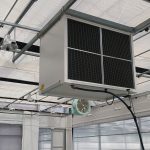
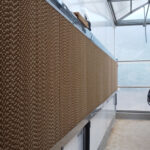
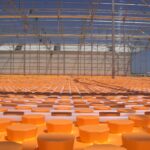
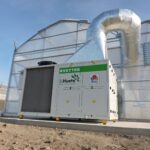
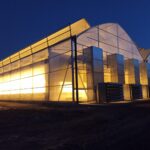
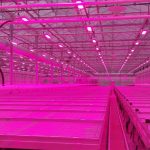
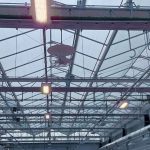
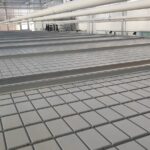
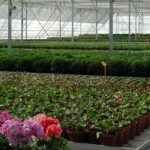
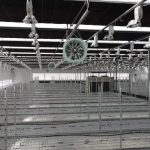
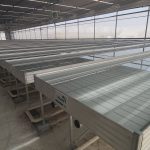
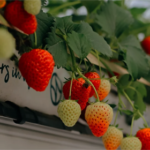


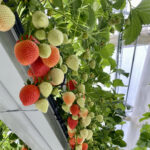

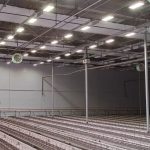
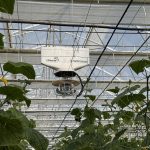
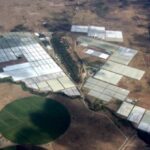
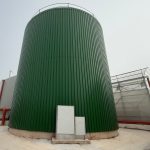
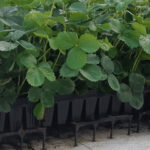
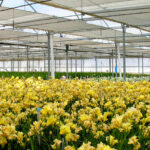
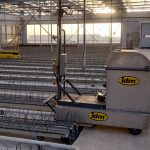
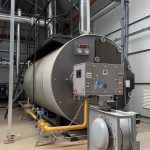
The objective is clear: to create a greenhouse environment that supports accurate research and practical crop management.
Experience with international seed companies and R&D projects
J. Huete Greenhouses has experience developing advanced greenhouse projects for international seed companies and agricultural research-oriented clients. Selected references include projects for Takii Europe and Enza Zaden, as well as a seed research greenhouse project in Chile.
These projects reflect the type of technical challenges that seed companies often require: adapted structures, controlled environments, crop-specific layouts, integrated systems and facilities designed for professional research work.
For companies planning new seed research facilities, plant breeding centers or crop trial greenhouses, this experience provides an important advantage: J. Huete understands that every research greenhouse must be designed around the technical objective of the project, not around a standard model.


Head office
Spain
Spain
Morocco
Senegal
Cape Verde
Romania
Portugal
Jordan
Russia
Kazakhstan
United States
Egypt
Kenya
Ethiopia
J.Huete Mexico
Sudan
Turkey
Hawaii, United States
Dominican Republic
Venezuela
Ecuador
Chile
Bolivia
Canary Islands, Spain
South Africa
Lesotho
Tunisia
Saudi Arabia
Iraq
United Kingdom
Poland
Uzbekistan
Iran
China
Malaysia
Georgia
Armenia
Turkmenistan
Australia
Japan





Compartmentalized greenhouses for controlled research environments
Compartmentalization is one of the most important aspects of a research greenhouse.
Seed companies often need to work with different varieties, crops, climates, irrigation strategies or research protocols inside the same facility. This requires a technical design that allows each area to be managed independently.
J. Huete Greenhouses can design compartmentalized greenhouse structures with separated growing zones, independent climate areas and layouts adapted to the internal workflow of the research team.
Depending on the project, the greenhouse can include:
- Independent research compartments
- Separate trial areas
- Propagation zones
- Work corridors
- Technical rooms
- Access areas
- Hygiene and biosecurity areas
- Different greenhouse heights and structures
- Crop-specific growing zones
- Areas prepared for future expansion
This approach helps companies improve operational control, reduce interference between trials and adapt the facility to different research objectives.


Climate control for reliable crop research
In agricultural research, climate stability is essential.
Temperature, humidity, ventilation, radiation, air movement and irrigation behavior can influence plant development and trial results. A research greenhouse must therefore be designed to provide the highest possible level of environmental control according to the technical and economic requirements of the project.
J. Huete Greenhouses can integrate climate solutions such as:
- Roof ventilation
- Perimeter ventilation
- Insect screens
- Thermal screens
- Shading screens
- Energy-saving screens
- Pad & fan cooling systems
- Fog systems
- Heating systems
- CO₂ systems
- Air recirculation
- Climate sensors
- Irrigation and fertigation systems
- Electrical systems
- Greenhouse automation
- Climate control software
- Technical rooms and service areas
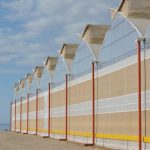
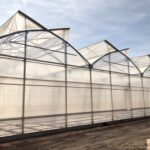
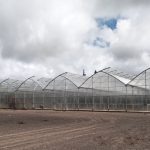
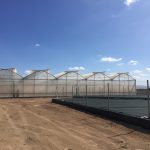
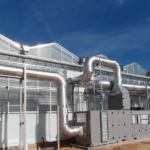
The goal is to create a greenhouse where researchers and crop managers can work with greater precision, consistency and control.
Engineering, structure and technology in one greenhouse project
A research greenhouse requires coordination between structure, climate systems, irrigation, automation and internal layout. J. Huete Greenhouses brings together greenhouse engineering, manufacturing experience and technical project development to deliver facilities adapted to the needs of each client. Our team can work on:
Greenhouse concept design
Climate strategy
Supply
Technical coordination
Technical drawings
Installation
Crop-oriented greenhouse layout
Project execution
Structural engineering
Manufacturing
Equipment integration
International logistics
This integrated approach is especially valuable for seed companies that need a reliable technical partner instead of a standard greenhouse supplier.
Adapted to different crops, climates and research objectives
Seed companies and agricultural R&D centers often work with multiple crops, regions and growing strategies.
For this reason, every research greenhouse must be adapted to the specific technical context of the project.
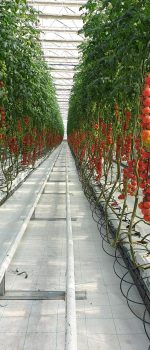
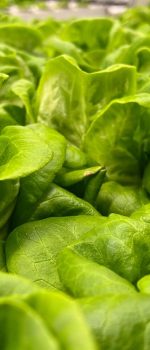
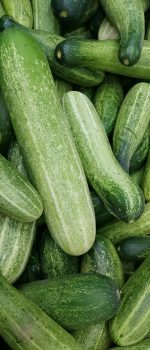
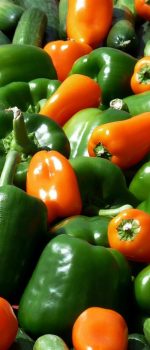
J. Huete Greenhouses can develop greenhouse solutions for crops such as tomato, pepper, cucumber, lettuce, leafy greens, berries, strawberries, melon, ornamentals, medicinal plants, young plants, seedlings, experimental crops…
The design can be adapted to plastic greenhouses, high-tech structures, nursery areas, hydroponic systems, substrate crops, soil cultivation, benches, growing gutters or other technical configurations depending on the research objective.




Why seed companies choose J. Huete Greenhouses
Seed companies need suppliers that understand technical complexity.
Choosing a greenhouse partner for research is not only a construction decision. It is a strategic decision that affects research quality, operational efficiency and long-term flexibility.
International experience in greenhouse projects
Climate-adapted greenhouse design
Technical engineering and manufacturing capacity
Integration of structure, technology and climate systems
Experience with advanced horticultural and research facilities
Flexibility to support customized projects in different countries and climates
Research greenhouses for international projects

J. Huete Greenhouses works with clients in different countries and climates.
This international experience allows us to design greenhouses adapted to local conditions, including radiation, temperature, humidity, wind, crop requirements, water quality, labor availability and energy strategy.
Whether the project is located in Europe, the Mediterranean region, Latin America, the Middle East, North Africa or another international market, the greenhouse must be designed to perform correctly in its real environment.
Our team studies each project from a technical point of view to define the most suitable greenhouse structure, climate systems and equipment configuration.
Production greenhouse vs. research greenhouse
A production greenhouse and a research greenhouse may share some technical systems, but they are designed with different priorities.
For seed companies, plant breeding teams and agricultural R&D centers, the greenhouse must support controlled trials, repeatable conditions and reliable technical work. This requires a different level of design, compartmentalization and climate strategy.
| Criteria | Production greenhouse | Research greenhouse |
|---|---|---|
| Main objective | Maximize commercial yield, crop efficiency and profitability. | Support seed research, plant breeding, variety trials, crop testing and technical decision-making. |
| Climate control | Designed to maintain productive growing conditions for one main crop strategy. | Designed to create stable, repeatable and sometimes differentiated climate conditions for different trials or research protocols. |
| Compartmentalization | Usually limited, unless required for crop management or operational reasons. | Often essential to separate varieties, crops, treatments, irrigation strategies or climate conditions. |
| Crop flexibility | Normally optimized for a specific crop or production model. | Must be flexible enough to support different crops, varieties, protocols and future research needs. |
| Data reliability | Important for crop management and performance analysis. | Critical for comparing results, validating trials and supporting breeding or R&D decisions. |
| Biosecurity | Focused on protecting commercial production and reducing crop losses. | Requires additional attention to access control, separation between trials, pest prevention and contamination risk. |
| Technical complexity | Can be high, especially in advanced commercial production greenhouses. | Usually more complex due to independent zones, research workflows, precision systems and specific operational requirements. |
| Supplier requirements | The supplier must understand crop production, structure, climate and profitability. | The supplier must understand engineering, climate control, research workflows, compartmentalization, biosecurity and technical flexibility. |
A research greenhouse is therefore not only a growing structure. It is a controlled environment designed to help seed companies generate reliable information, protect their trials and accelerate innovation.
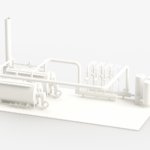
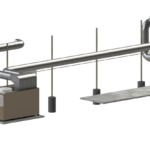
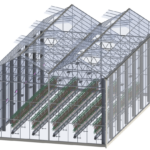
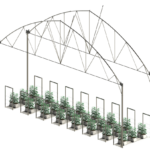
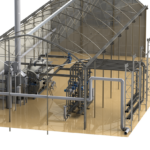
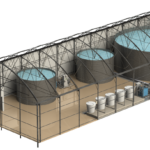
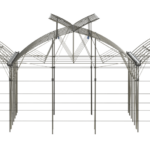
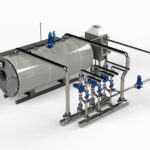
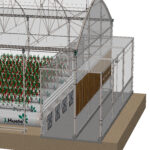
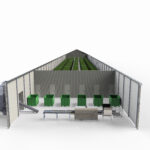
From technical concept to greenhouse construction
A successful research greenhouse starts before construction.
The first step is understanding the objective of the facility: what the company wants to research, which crops will be grown, how many compartments are needed, what climate conditions must be controlled and how the technical team will use the greenhouse every day.
- Project analysis
- Technical design
- Engineering and manufacturing
- Supply and installation
- Long-term project vision
- Technical integration
Key technical requirements for seed research greenhouses
A seed research greenhouse must be designed around precision, flexibility and long-term technical reliability. For plant breeding, variety trials and agricultural R&D, the most important requirements usually include:
- Independent climate zones: to separate varieties, crops, treatments or research protocols.
- Reliable ventilation strategy: to manage temperature, humidity and crop uniformity.
- Thermal and shading screens: to control radiation, energy use and growing conditions.
- Cooling and humidity control: to protect trial reliability and crop performance.
- Heating and CO₂ when required: to maintain active growth and climate stability.
- Insect screens and biosecurity: to reduce pest pressure and contamination risks.
- Irrigation and fertigation precision: to ensure uniform water and nutrient delivery.
- Benches, gutters or crop-specific systems: to adapt the facility to each research objective.
- Technical rooms and service areas: to support daily research and greenhouse operations.
- Automation and climate control software: to improve consistency, control and repeatability.
- Future expansion capacity: to allow the facility to evolve with new crops, compartments or technologies.
What should a seed company look for in a greenhouse supplier?
A seed company should choose a greenhouse supplier with experience in technical projects, not only standard production greenhouses. The supplier should understand research workflows, plant breeding requirements, climate control, trial repeatability, compartmentalization, crop-specific design, biosecurity, irrigation and fertigation, automation, international project execution and long-term flexibility. The best supplier is not always the one that offers the simplest greenhouse, but the one that can design the right controlled environment for the research objective.
Planning a research greenhouse for your seed company?
If your company is planning a new greenhouse for seed research, plant breeding, crop trials or agricultural R&D, J. Huete Greenhouses can help you define the right technical solution.
Tell us about your project, your crop, your location and your research objectives.
Our technical team will help you evaluate the most suitable greenhouse structure, climate systems, compartment layout and equipment configuration for your facility.
Discuss your research greenhouse project with J. Huete Greenhouses
Frequently Asked Questions
What is a research greenhouse for seed companies?
A research greenhouse for seed companies is a controlled growing facility designed for plant breeding, seed research, variety development, crop trials and agricultural R&D. Unlike a standard production greenhouse, it must provide stable conditions, technical flexibility, compartmentalization and precise climate control.
Can J. Huete Greenhouses build greenhouses for plant breeding programs?
Yes. J. Huete Greenhouses designs and builds customized greenhouse projects for seed companies, plant breeding programs, nurseries and agricultural R&D facilities. Each project is adapted to the crop, climate, research objective and technical requirements of the client.
Why is compartmentalization important in seed research greenhouses?
Compartmentalization allows seed companies to separate varieties, crops, treatments, irrigation strategies or climate conditions inside the same facility. This helps improve control, reduce interference between trials and support more reliable research work.
Does J. Huete Greenhouses work on international greenhouse projects?
Yes. J. Huete Greenhouses develops greenhouse projects for clients in international markets. The company adapts each project to the local climate, crop, technical requirements and operational needs of the client.
What information is needed to request a proposal?
To prepare a technical proposal, it is useful to know the project location, crop, surface area, number of compartments, research objective, desired level of technology, climate requirements, irrigation strategy, automation needs and expected construction timeline.
What is the difference between a production greenhouse and a research greenhouse?
A production greenhouse is mainly designed to maximize commercial yield. A research greenhouse is designed to create controlled and repeatable growing conditions for trials, breeding programs and technical studies. It often requires more compartmentalization, greater climate precision and a layout adapted to research workflows.
What systems can be integrated into a research greenhouse?
A research greenhouse can include roof ventilation, perimeter ventilation, insect screens, thermal screens, shading screens, cooling systems, fog systems, heating, CO₂, irrigation, fertigation, climate sensors, automation, electrical systems, benches, technical rooms and compartmentalized growing areas.
Can a research greenhouse be adapted to different crops?
Yes. Research greenhouses can be adapted to tomato, pepper, cucumber, leafy greens, berries, strawberry, ornamentals, medicinal plants, young plants, seedlings and other crops. The structure and equipment should be designed according to the specific research objectives.
Can J. Huete Greenhouses provide a turnkey research greenhouse?
J. Huete Greenhouses can support projects that require structure, engineering, climate systems, irrigation, fertigation, automation, technical equipment and construction. The exact scope can be adapted to the needs of each client.
Who should contact J. Huete Greenhouses about a research greenhouse project?
Procurement managers, R&D directors, breeding managers, greenhouse operations managers, technical directors, facility managers and executives from seed companies or agricultural research organizations can contact J. Huete Greenhouses to discuss a customized research greenhouse project.
