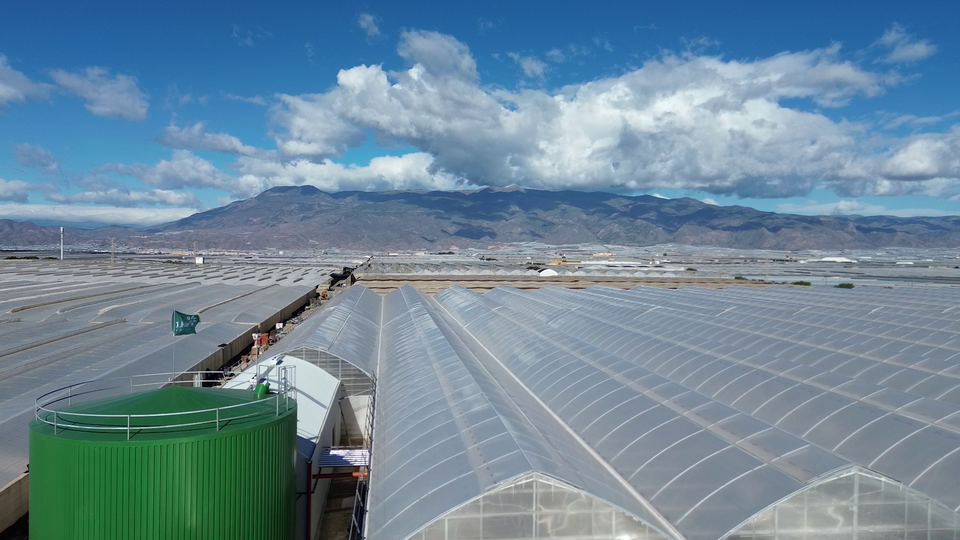
J. Huete Greenhouses has completed the construction of a high-tech greenhouse in the province of Almería (Spain), further solidifying its position as a leader in the development of advanced agricultural infrastructure in one of Europe’s most important horticultural production hubs.
With a total area of 3.2 hectares, this new facility has been designed to maximize production efficiency, climate control, and structural strength, allowing growers to operate under fully optimized conditions year-round.
The greenhouse comprises 16 bays, each 12.80 meters wide, with a height of 5.50 meters to the gutter and 8.75 meters to the raised ridge. These dimensions promote a larger volume of interior air and, consequently, greater climate stability. The structure incorporates double pillars and lateral reinforcements specifically designed to withstand high wind loads, while the gutters, in addition to ensuring efficient rainwater drainage, act as structural elements that increase the overall rigidity. These gutters also incorporate an anti-condensation system that prevents dripping onto the crops, improving phytosanitary conditions. The white lacquer finish of the structure enhances interior brightness and the durability of the roofing materials.
The ventilation system has been designed to offer maximum air exchange capacity. The installation features a raised butterfly-type roof vent, complemented by motorized roll-up side and front vents, allowing for precise management of temperature, humidity, and vapor pressure deficit.
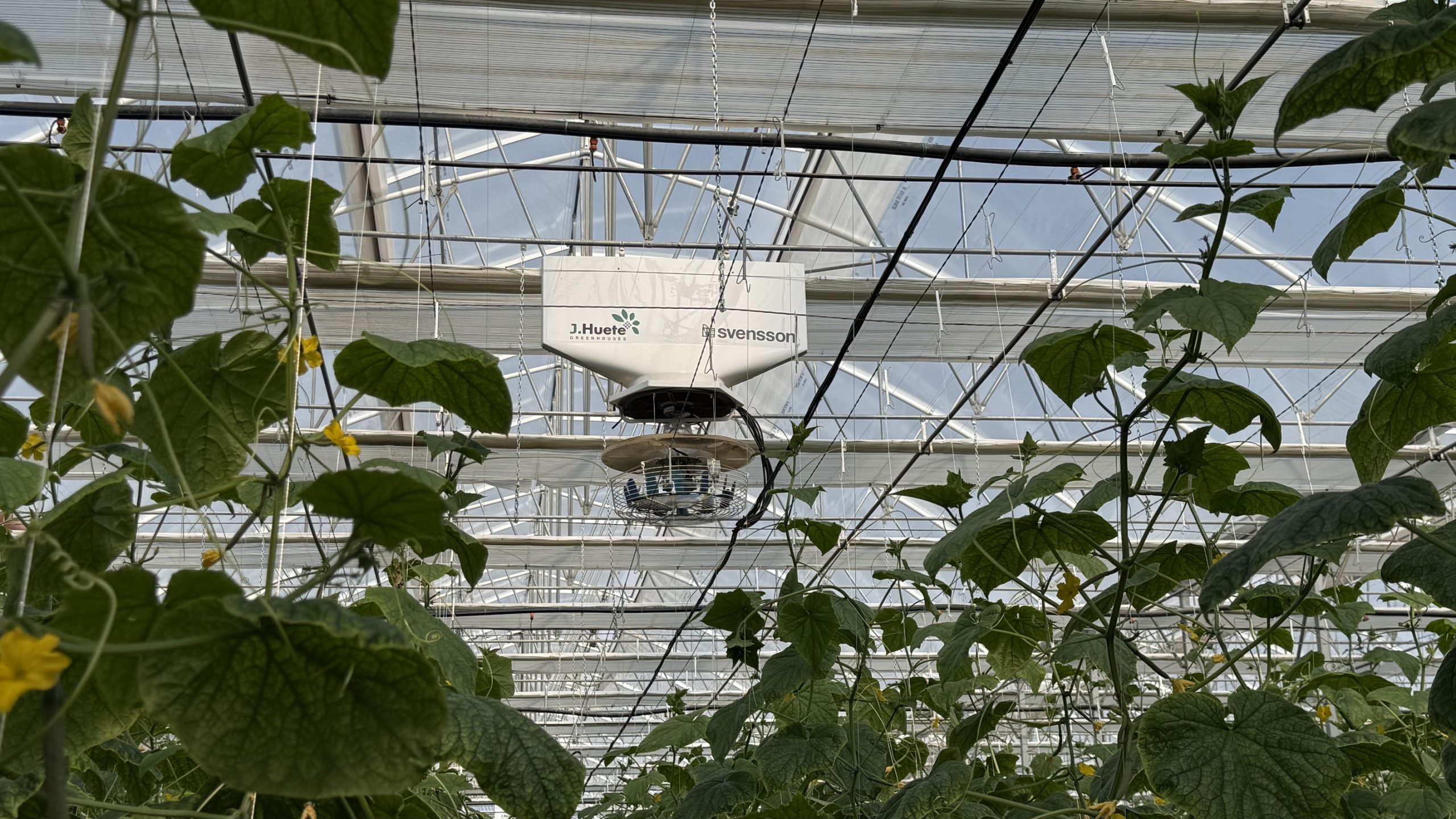
The project also incorporates an active recirculation system. This technology combines controlled air extraction from the top of the climate screen with its uniform redistribution throughout the entire crop canopy. Through a smooth and homogeneous flow, the system mixes fresh air with the air inside the greenhouse, eliminating pockets of humidity, reducing condensation, and promoting an active and balanced microclimate. By optimizing the removal of water vapor from crop transpiration, photosynthetic efficiency is improved, the risk of fungal diseases is reduced, and productive uniformity across the entire cultivated area is increased. This intelligent recirculation allows for more precise operation in reduced ventilation scenarios or during periods of adverse weather.
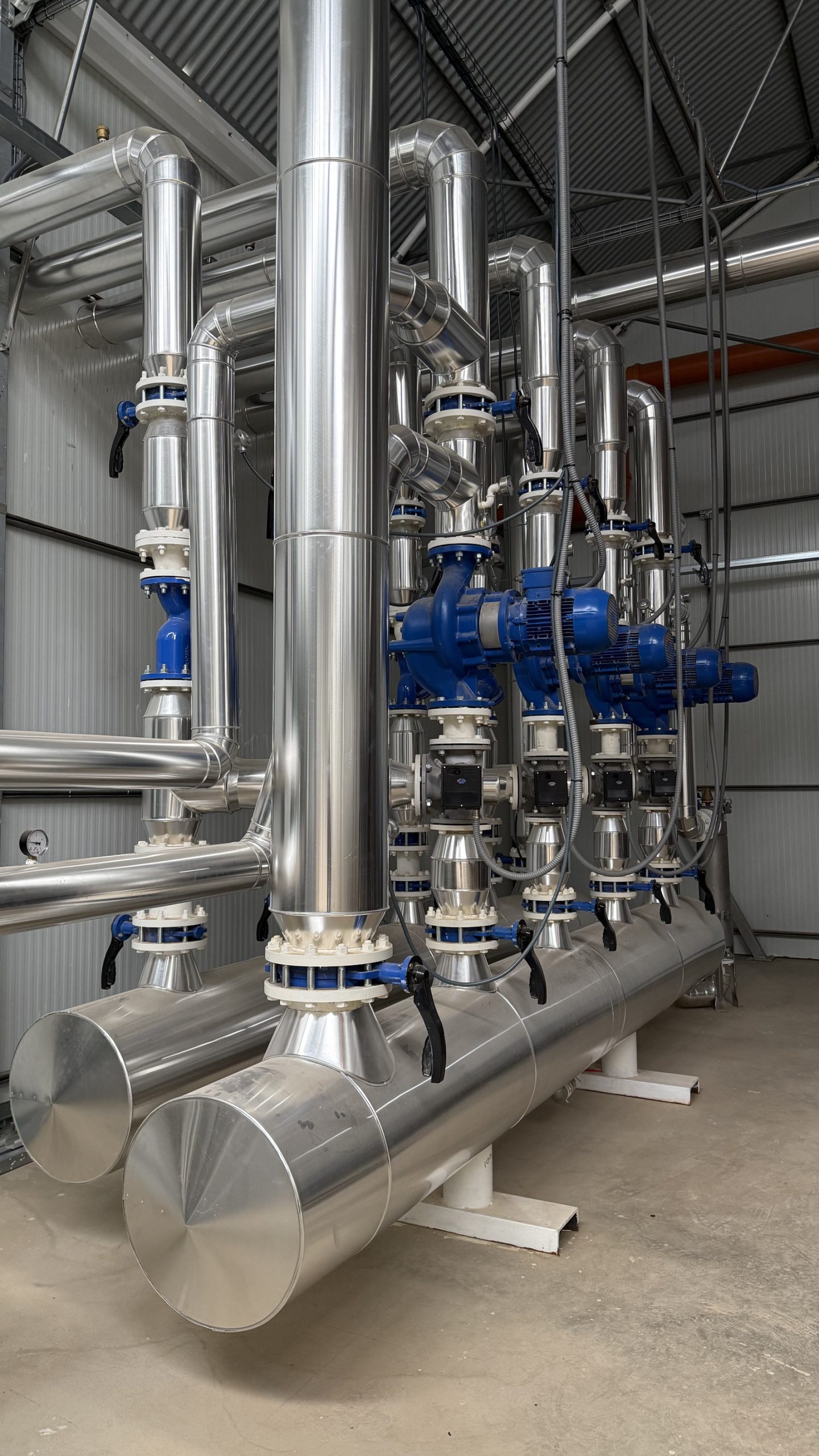
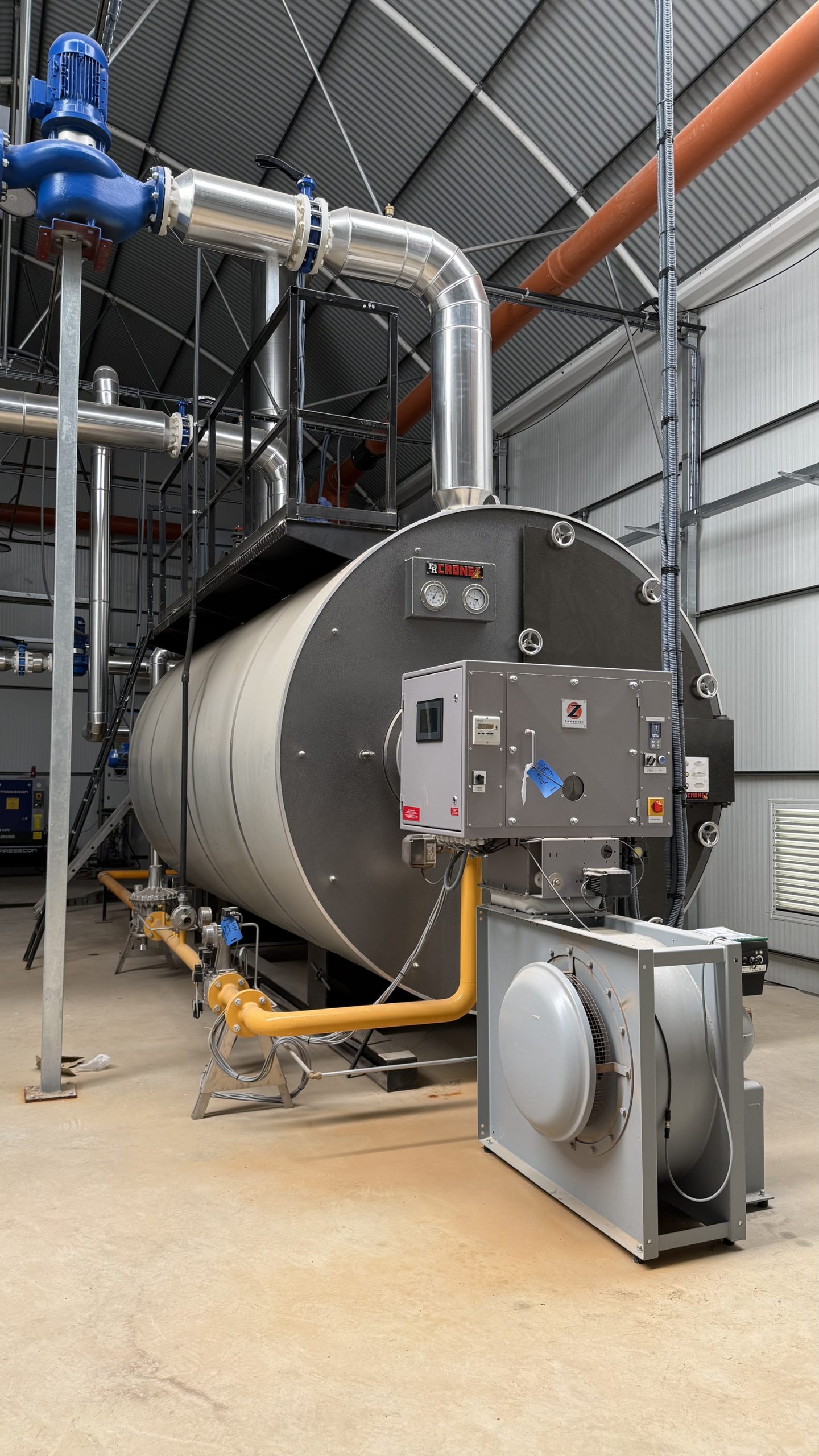
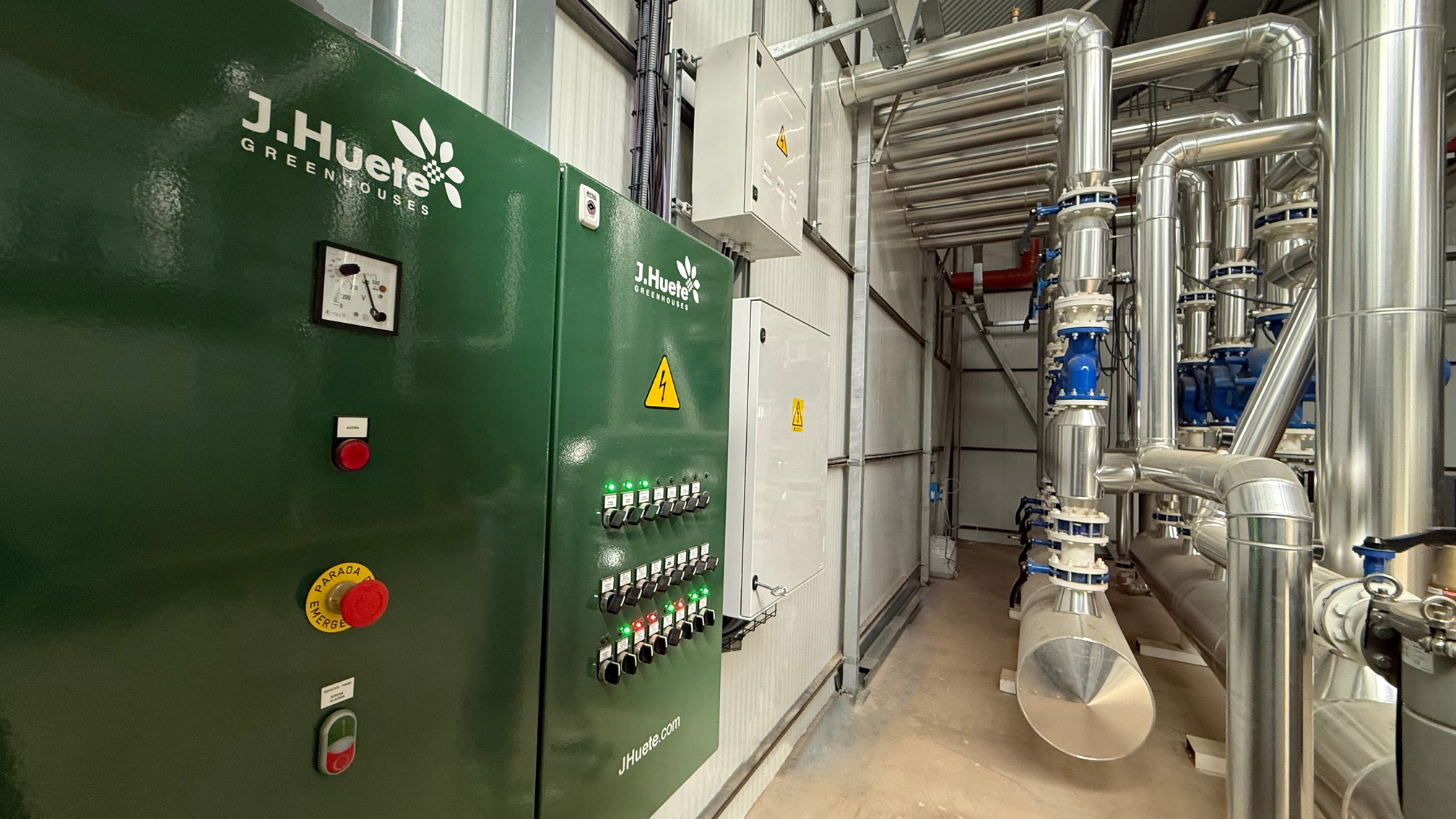
In terms of energy, the project incorporates a screen that combines shading for the crop with energy savings, as well as a hot water heating system distributed via rail pipes, ensuring uniform heat distribution across the crop area. The system is supported by a boiler room designed for high efficiency, where the boiler has been developed to maximize heat exchange between the water and the combustion chambers, achieving high performance with reduced consumption. The technical room includes manifolds, condenser pumps, and transport units that ensure precise and reliable heat distribution.
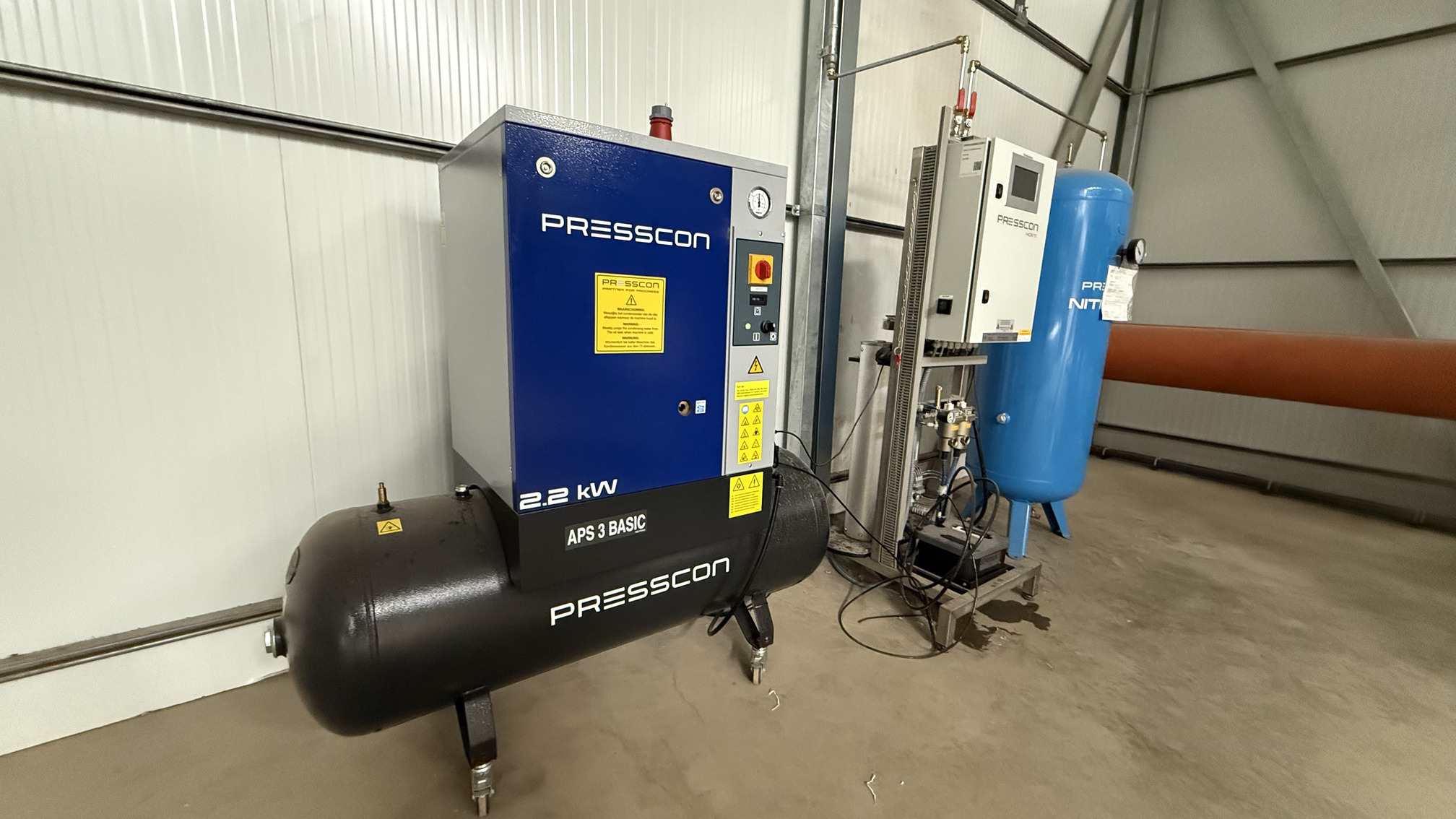
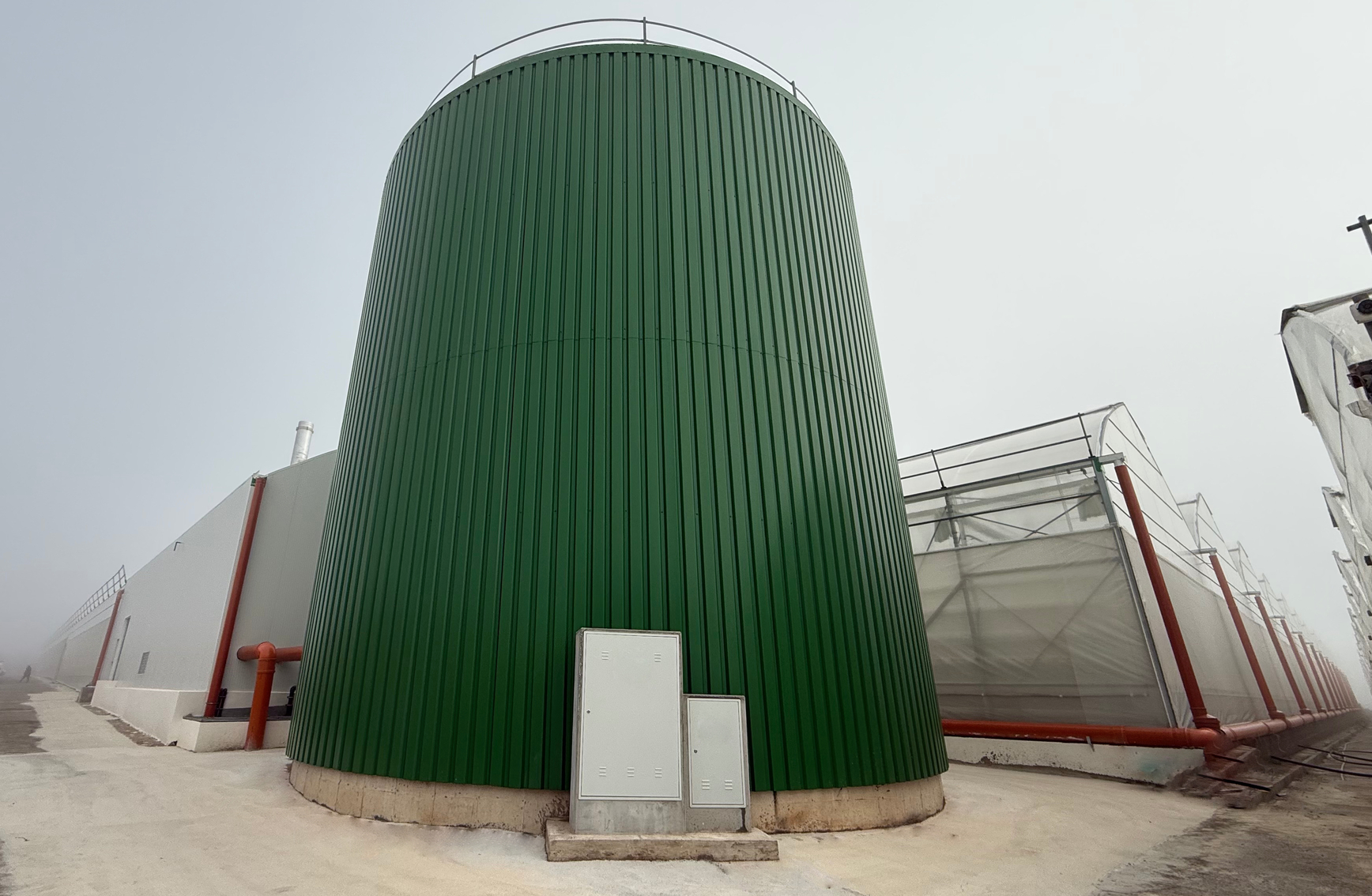
One of the most advanced elements of the facility is the CO₂ capture and distribution system for combustion products. This system incorporates a gas condenser, dedicated distribution piping, and a buffer tank that stores the heat generated during the day for nighttime use. This infrastructure is capable of supplying up to 150 kg of CO₂ per hour per hectare, directly contributing to an increase in the photosynthetic rate and, therefore, in crop yield.
Thanks to the integration of all these systems, the new greenhouse represents a significant leap forward in terms of productivity, energy efficiency, and agronomic control. The combination of its large structural volume, advanced climate control systems, and energy efficiency places this facility among the most technologically advanced currently operating in the region.
With this project, J. Huete Greenhouses reinforces its commitment to developing solutions that enable producers to confidently face the challenges of modern agriculture, where climate precision, energy efficiency, and yield maximization are crucial factors for profitability and competitiveness.